

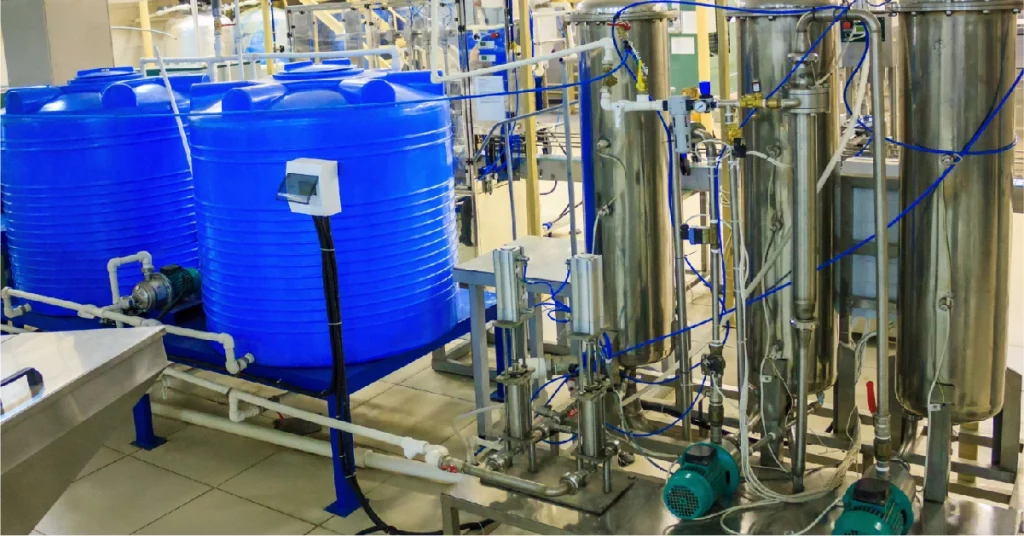
Industries across Saudi Arabia rely heavily on cooling systems for efficient process operations and temperature control. Sectors such as oil & gas, petrochemicals, power generation, manufacturing, desalination, and refineries use large cooling towers and heat-exchange systems to maintain operational stability under extreme climatic conditions.
However, cooling systems are highly vulnerable to scaling, corrosion, fouling, and microbial growth due to continuous water circulation and high evaporation rates. This makes Cooling Water Treatment an essential part of industrial water management.
Modern cooling water treatment chemicals help industries protect cooling systems, improve energy efficiency, reduce downtime, and extend equipment lifespan. By implementing proper industrial cooling water treatment programs, industries can maintain reliable operations while minimizing maintenance costs and water-related failures.
Why Cooling Water Treatment Is Important?
Cooling systems continuously circulate water through heat exchangers, cooling towers, condensers, and pipelines.
Without proper treatment, cooling water may cause:
- Scale formation
- Corrosion of metal surfaces
- Biological fouling
- Algae and bacterial growth
- Reduced heat transfer efficiency
- Increased energy consumption
Efficient water treatment for cooling systems helps maintain stable system performance and operational reliability.
Common Problems in Cooling Tower Systems
-
Scale Formation
Mineral deposits such as calcium carbonate build up on heat transfer surfaces, reducing cooling efficiency.
-
Corrosion
Dissolved oxygen, low pH, and aggressive water chemistry can corrode pipelines and cooling equipment.
-
Microbial Growth
Warm cooling water environments encourage bacterial and algae growth, leading to biofouling.
-
Fouling
Suspended solids and organic contaminants accumulate inside cooling systems and reduce performance.
Advanced cooling water treatment solutions help industries prevent these operational issues.
Types of Cooling Water Treatment Chemicals
Different cooling water treatment chemicals are used to control scaling, corrosion, fouling, and microbial growth.
-
Cooling Tower Chemicals for Scale Control
Scale inhibitors help prevent mineral deposits from forming on cooling system surfaces.
These chemicals:
- Control calcium scaling
- Improve heat transfer efficiency
- Reduce energy loss
- Extend equipment life
Scale control is essential for maintaining cooling tower performance in high-temperature environments.
-
Cooling Water Corrosion Inhibitors
Corrosion inhibitors protect metal surfaces from chemical and electrochemical corrosion.
These cooling tower chemicals help:
- Protect pipelines and condensers
- Extend equipment lifespan
- Reduce maintenance costs
- Improve system reliability
Corrosion protection is critical in industrial cooling systems operating continuously under harsh conditions.
-
Biocides for Microbial Control
Biocides help control bacteria, algae, fungi, and biofilm formation in cooling systems.
Common microbial issues include:
- Slime formation
- Legionella risk
- Heat transfer reduction
- Pipeline blockage
Biocide treatment improves hygiene and operational efficiency in cooling towers.
-
Dispersants and Fouling Control Chemicals
Dispersants keep suspended solids and contaminants from settling inside cooling systems.
Benefits include:
- Reduced fouling
- Improved water circulation
- Better heat transfer performance
- Cleaner system surfaces
These chemicals are important for maintaining efficient cooling operations.
-
Cooling Water Chemical Dosing Systems
Accurate cooling water chemical dosing is essential for maintaining stable treatment performance.
Modern automated dosing systems provide:
- Automatic chemical injection
- Real-time monitoring
- Controlled dosing rates
- Reduced chemical wastage
- Improved operational consistency
Automated dosing systems are widely used in industrial cooling water treatment programs.
Cooling Tower Water Treatment Process
An effective cooling tower water treatment program typically includes:
-
Water Quality Monitoring
Tracks pH, conductivity, hardness, and microbial activity.
-
Chemical Treatment
Uses specialized cooling tower chemicals for scale, corrosion, and microbial control.
-
Filtration Systems
Remove suspended solids and contaminants.
-
Blowdown Management
Controls dissolved solids concentration inside the cooling system.
Integrated treatment improves cooling system reliability and water efficiency.
Benefits of Industrial Cooling Water Treatment
Implementing proper industrial cooling water treatment provides several operational and financial benefits.
-
Improved Heat Transfer Efficiency
Clean surfaces improve cooling performance and energy efficiency.
-
Reduced Equipment Corrosion
Protects cooling infrastructure from long-term damage.
-
Lower Maintenance Costs
Minimizes scaling, fouling, and system cleaning requirements.
-
Extended Equipment Lifespan
Improves the reliability of cooling towers, heat exchangers, and pipelines.
-
Reduced Operational Downtime
Prevents unexpected failures and production disruptions.
Industrial Applications of Cooling Water Treatment
Cooling water treatment solutions are widely used across industries in Saudi Arabia.
-
Oil & Gas Industry
Require large-scale cooling systems for refining and processing operations.
-
Petrochemical Plants
Depend on cooling towers for heat management and process stability.
-
Power Plants
Use cooling systems for turbine and condenser operations.
-
Manufacturing Facilities
Require temperature control in production processes.
-
Desalination Plants
Use cooling systems extensively in thermal treatment operations.
Water Treatment for Cooling Systems and Sustainability
Efficient cooling water treatment supports sustainable industrial operations by:
- Reducing water consumption
- Improving energy efficiency
- Lowering chemical wastage
- Supporting water reuse initiatives
- Minimizing environmental impact
Modern cooling systems increasingly integrate automation and smart monitoring technologies for better sustainability performance.
Ion Exchange Cooling Water Treatment Solutions
Ion Exchange provides advanced Cooling Water Treatment solutions for industrial applications worldwide.
Their offerings include:
- Cooling water treatment chemicals
- Cooling tower chemicals
- Corrosion and scale inhibitors
- Biocide treatment programs
- Cooling water chemical dosing systems
- Integrated operation and maintenance support
Using advanced treatment chemistry and monitoring technologies, Ion Exchange helps industries optimize cooling system performance and operational efficiency.
Conclusion
Cooling Water Treatment is essential for maintaining efficient and reliable industrial operations in Saudi Arabia’s demanding industrial environment. From cooling tower chemicals and corrosion inhibitors to automated cooling water chemical dosing systems, modern treatment programs help industries improve energy efficiency, reduce maintenance costs, and protect critical infrastructure.
As industries continue focusing on operational efficiency and long-term sustainability, advanced industrial cooling water treatment solutions will remain critical for performance and water management success.
FAQs
1. Why is cooling water treatment important?
Cooling water treatment prevents scaling, corrosion, fouling, and microbial growth in cooling systems.
2. What are cooling tower chemicals used for?
They control scale formation, corrosion, microbial activity, and fouling inside cooling towers.
3. How does cooling water chemical dosing improve efficiency?
Accurate dosing ensures stable treatment performance while reducing chemical wastage and operational issues.
4. What industries require industrial cooling water treatment?
Industries such as oil & gas, petrochemicals, power generation, manufacturing, and desalination rely on cooling water treatment systems.
5. How does Ion Exchange support cooling water treatment applications?
Ion Exchange provides advanced cooling water treatment chemicals, dosing systems, and integrated industrial water treatment solutions.